
The Best Medicine Is Prevention
Regular wellness exams are the foundation of your pet's long-term health. Just like your annual checkup with your doctor, your pet needs routine visits to catch potential problems early, when they're easiest and least expensive to treat.
Many serious pet health conditions, like kidney disease, diabetes, heart problems, and cancer, show no obvious symptoms in the early stages. By the time your pet acts sick, the disease may be advanced. Regular wellness exams help us detect issues before you notice any problems at home.
The bottom line? Preventative care helps your pet live a longer, healthier, more comfortable life. And it saves you money by avoiding costly emergency treatments later.
What Preventative Care Can Detect:
- Early signs of organ disease (kidney, liver, heart)
- Dental disease before it becomes painful
- Weight problems that can lead to diabetes or arthritis
- Skin conditions, lumps, or growths
- Joint pain or arthritis in older pets
- Parasite infections (fleas, ticks, heartworm, intestinal parasites)
Regular wellness visits mean catching problems when they're small, not when they're emergencies.
How Often Should Your Pet See the Vet?
The answer depends on your pet's age and health status. Here's what we generally recommend:

Puppies & Kittens
(Under 1 Year)
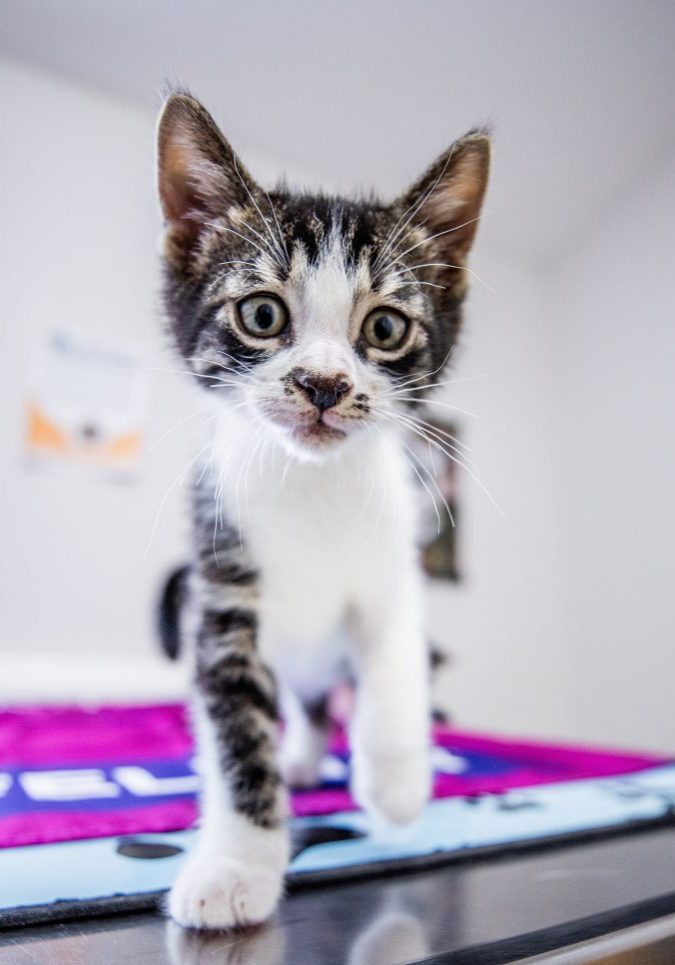
Puppies and kittens need frequent visits for vaccine series, deworming, growth monitoring, and behavior guidance during their critical development period.

Adult Pets
(1-7 Years)
Annual wellness exams
Healthy adult pets should see us once a year for a complete physical exam, vaccines, parasite prevention, and health screening.

Senior Pets
(7+ Years)
Every 6 months
Older pets age faster than younger ones, and health problems can develop quickly. Twice-yearly exams help us catch age-related conditions early, when they're most manageable.

Pets with
Chronic Conditions
As recommended by Dr. Sherman
If your pet has diabetes, kidney disease, heart problems, or other ongoing health issues, we'll create a custom monitoring schedule.
Comprehensive Care from Nose to Tail
A wellness exam at Richmond Animal Hospital is thorough. We don't just give vaccines and send you home. Here's what every visit includes:
Complete Physical Examination
Dr. Sherman will examine your pet from head to tail, checking:
- Eyes, ears, nose, and mouth
- Teeth and gums for dental disease
- Heart and lungs with a stethoscope
- Abdomen for organ abnormalities
- Skin and coat condition
- Lymph nodes for swelling
- Joints and muscles for pain or stiffness
- Weight and body condition
Health History Review
We'll discuss any changes in your pet's behavior, appetite, drinking, urination, bowel movements, energy level, or mobility.
Vaccinations
Based on your pet's lifestyle and risk factors, we'll administer core vaccines (required for all pets) and lifestyle vaccines (for pets with specific exposure risks).
Parasite Prevention
We'll discuss and prescribe flea, tick, and heartworm prevention appropriate for Vermont's climate and your pet's outdoor activities.
Diagnostic Testing (When Recommended)
For senior pets or those with health concerns, we may recommend bloodwork, urinalysis, or fecal testing to check organ function and screen for disease.
Nutrition & Weight Management
We'll assess your pet's body condition and provide guidance on diet, portion sizes, and healthy treats.
Behavioral Guidance
Have questions about training, anxiety, or behavior changes? We're here to help or provide referrals to specialists when needed.
Personalized Care Plan
Before you leave, we'll create or update your pet's personalized wellness plan, including when to return for follow-ups.
Your Wellness Appointment, Step by Step
Here's what happens during a typical wellness exam so you know what to expect.

Before Your Visit
- Bring any previous medical records if you're a new client
- List current medications or supplements your pet takes
- Write down any questions or concerns you have
- Bring a fresh stool sample (for parasite testing)
- Ask if a urine sample is recommended.
- Have your pet on a leash (dogs) or in a secure carrier (cats)

During Your Visit
- Check-In & Weight
We'll weigh your pet and update any information in their record. - Discussion with the veterinary team
The team will ask about your pet's health, behavior, diet, and any concerns you've noticed. - Complete Physical Exam
A thorough nose-to-tail examination checking all body systems. - Vaccines (If Due)
We'll administer any vaccines your pet needs based on their schedule and lifestyle. - Diagnostic Tests (If Recommended)
Bloodwork, urinalysis, or other tests if appropriate for your pet's age or health status. - Discussion & Care Plan
The doctor will explain their findings, answer all your questions, and create or update your pet's wellness plan. - Prescriptions & Prevention
We'll fill any prescriptions for flea/tick prevention, heartworm prevention, or medications right here in our pharmacy.

After Your Visit
We'll send you home with:
- A summary of the exam findings
- Vaccine records
- Prescriptions or preventative medications
- Home care instructions
- Date of your next visit
Most wellness visits take 20-40 minutes. We never rush appointments
Protecting Your Pet from Preventable Diseases
Vaccines are a crucial part of preventative care. We tailor vaccine protocols to your pet's individual needs and lifestyle.
Core Vaccines (Recommended for All Pets)
For Dogs:
- Rabies (required by law)
- Distemper, Parvovirus, Adenovirus (DHPP)
For Cats:
- Rabies (required by law)
- Feline Viral Rhinotracheitis, Calicivirus, Panleukopenia (FVRCP)
Lifestyle Vaccines (Based on Exposure Risk)
For Dogs:
- Bordetella (kennel cough) – for dogs going to grooming, boarding, daycare, or dog parks
- Leptospirosis – for dogs with outdoor exposure to wildlife or standing water
- Lyme disease – for dogs in tick-prone areas (highly recommended in Vermont!)
- Canine Influenza – for dogs with high social exposure
For Cats:
- Feline Leukemia (FeLV) – for cats that go outdoors or live with FeLV-positive cats
Not sure which vaccines your pet needs?
Our team will assess your pet's lifestyle, outdoor exposure, and social activities to recommend the right vaccine protocol. We never over-vaccinate.
Tips for a Positive Vet Visit
Help your pet feel more comfortable at the vet with these preparation tips:
For Dogs:
✓ Practice handling at home – Touch your dog's paws, ears, and mouth gently so they're used to being examined
✓ Bring high-value treats – Something special they only get at the vet
✓ Exercise beforehand – A tired dog is often a calmer dog
✓ Stay calm yourself – Dogs pick up on your anxiety
✓ Use a secure leash – Keep your dog close to you in the waiting room
For Cats:
✓ Use a secure carrier – Make sure your cat can't escape
✓ Make the carrier comfortable – Add a familiar blanket or item that smells like home
✓ Cover the carrier – A towel over the carrier can help anxious cats feel more secure
✓ Practice carrier time at home – Leave the carrier out with treats inside so it's not scary
✓ Consider calming aids – Ask us about pheromone sprays or calming supplements for very anxious cats
Have a pet who gets very anxious at the vet?
Let us know when you schedule. We can discuss anxiety-reducing techniques or pre-visit medications if needed.
Schedule Your Pet's Wellness Exam Today
Whether it's time for your pet's annual checkup or you're a new client looking for a trusted veterinarian, we're here to help keep your pet healthy.
Questions first? Send us a message